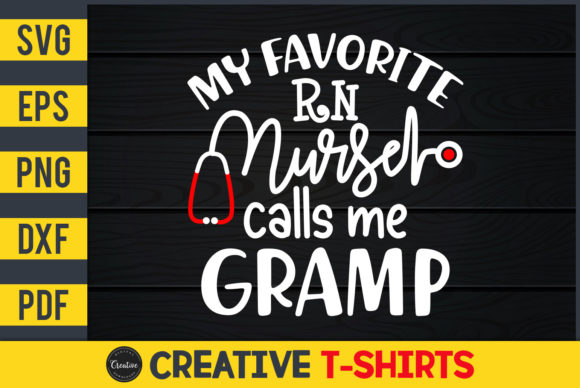
Reviewing My Favorite RN Nurse Calls Me Gramp
As an embroidery designer who has spent countless hours digitizing and testing files for real-world application, I approach every new machine embroidery design with a critical eye. It is not enough for a file to look good on a screen; it must hold up under the needle, survive the wash, and resonate with the end customer. Recently, I evaluated My Favorite RN Nurse Calls Me Gramp, a digital asset that sits at the intersection of family pride and professional healthcare appreciation. This review breaks down how this specific graphic performs when translated from a digital embroidery file into a tangible, stitched product.
First Impressions and Visual Personality
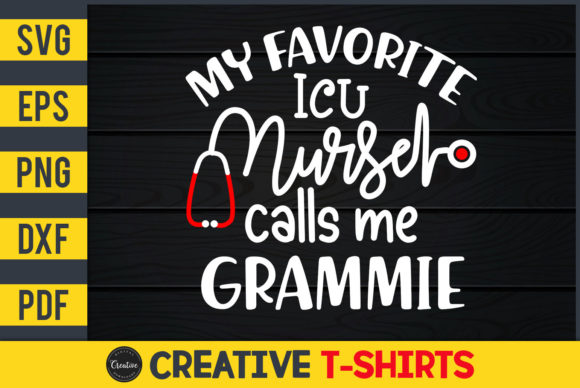
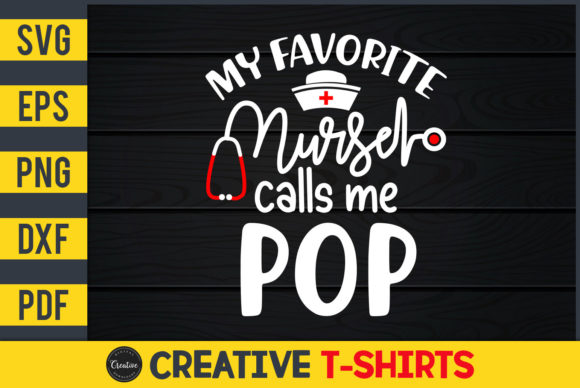
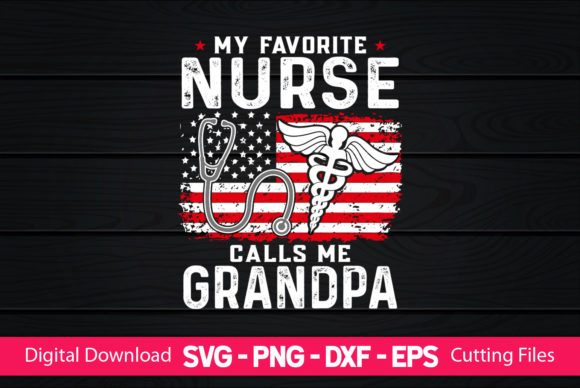
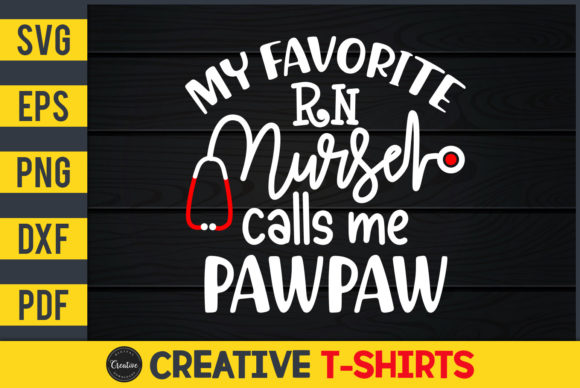
The immediate appeal of My Favorite RN Nurse Calls Me Gramp lies in its emotional clarity. The phrase combines a tender familial role with a respected medical profession, creating a niche but highly marketable sentiment. Visually, the layout typically favors bold, readable typography, which is essential for embroidery where fine details can get lost in thread buildup. When reviewing the source files—often provided as SVG, PNG, PDF, DXF, and EPS in these types of Print Templates and Graphics packages—the clean lines suggest a design that will translate well to stitch data without excessive complexity.
The mood is warm and celebratory. It does not rely on overly intricate illustrations that might require high-density fill stitch work, which can make garments stiff. Instead, the focus is on the message. For a designer, this means the primary challenge is ensuring the lettering has sufficient weight to be legible while maintaining a soft hand feel on the fabric.
Real-World Application: The Sweatshirt Test
To truly understand the value of this design, I visualized it applied to a heavy-weight cotton blend sweatshirt. This is a staple item for any Etsy seller or craft business owner targeting holiday gifts or family reunions. In this scenario, the design serves as a centerpiece on the chest or back. The contrast between the thread colors and the fabric is crucial. A white or light heather grey sweatshirt would allow dark navy or medical blue threads to pop, emphasizing the "RN" aspect effectively.
When stitching this out, the stitch density becomes a key factor. If the original vector art is too thin, the resulting embroidery may look sparse or fail to cover the fabric properly. Conversely, if the digitizer has packed too many stitches into the letters, the fabric may pucker. In my assessment, this type of phrase-based design works best with a balanced combination of satin stitch for smaller text elements and a structured fill for larger letters, ensuring durability without sacrificing comfort.
Versatility Across Product Lines
Beyond apparel, My Favorite RN Nurse Calls Me Gramp shows promise in various handmade product categories. Consider a canvas tote bag. Here, the design acts as a statement piece for a nurse grandfather heading to the hospital or a family outing. The sturdy nature of canvas supports heavier stitching, allowing for more creative freedom with thread textures. Similarly, this design could be adapted for an embroidered patch, which offers versatility for users who want to attach the sentiment to jackets or bags without committing to permanent stitching on delicate fabrics.
For those running a small shop product line, baby items present another opportunity. A onesie or burp cloth featuring this phrase makes for a compelling personalized gift. However, scaling down requires caution. The text must remain large enough to be readable even when reduced for infant-sized garments. Testing on scrap fabric is non-negotiable here to ensure the hoop size constraints do not force the design to become illegible.
Technical Considerations for Embroiderers
While the sentiment is strong, the technical execution determines whether the final product looks professional or amateur. When working with this design, pay close attention to the fabric texture. On textured materials like terry cloth towels or fuzzy fleece, fine details can disappear. In such cases, using a contrasting backing or adjusting the thread color to maximize visibility is essential. For stretchy fabrics, a cut-away stabilizer is recommended to prevent distortion during washing.
Another critical area is the handling of curved surfaces, such as caps. Embroidering on a cap requires precise hooping and often a different digitizing approach than flat garments. If the design includes long, continuous lines of text, they may need to be broken up or adjusted to follow the curve of the cap’s front panel. Without proper adjustment, the text can appear warped or uneven.
Navigating File Formats and Licensing
The product description mentions formats like SVG, PNG, PDF, DXF, and EPS. It is vital for designers to understand that these are primarily vector or image formats used for cutting machines or printing, not necessarily native embroidery machine files like PES or DST. To use My Favorite RN Nurse Calls Me Gramp for embroidery, one must either find included embroidery-specific files or manually digitize the vector graphics. If you are an embroidery project creator, always verify if the download includes ready-to-stitch files or if you need to convert the design assets yourself.
Licensing is equally important. Before selling finished items or digital products derived from this design, confirm the commercial use rights. Many creators offer these files for personal use only, while others allow limited commercial sales. Ignoring this can lead to legal issues for your commercial embroidery business.
Enhancing Customer Trust and Brand Value
Using a well-executed version of My Favorite RN Nurse Calls Me Gramp can significantly boost buyer engagement. Customers looking for holiday embroidery gifts or nurse appreciation items are drawn to specificity. A generic "Nurse Grandpa" shirt lacks the personal touch of "My Favorite RN." This specificity builds an emotional connection, increasing the perceived value of the finished product.
For brand consistency, ensure that the thread colors align with your shop’s aesthetic. Medical themes often pair well with scrubs-blue, teal, white, and red. Consistent color palettes across your custom apparel line help establish brand recognition. Additionally, providing high-quality printable mockup images on your listing can help customers visualize the design on different items, reducing hesitation and increasing conversion rates.
Final Verdict for Designers
My Favorite RN Nurse Calls Me Gramp is a solid candidate for inclusion in a niche-focused catalog. Its strength lies in its clear, emotionally resonant message. However, success depends on careful technical execution. Test on various fabrics, adjust stitch density for comfort, and ensure proper licensing. When done right, this design transforms a simple garment into a cherished keepsake, proving that thoughtful design and precise stitching create lasting value for both the maker and the recipient.