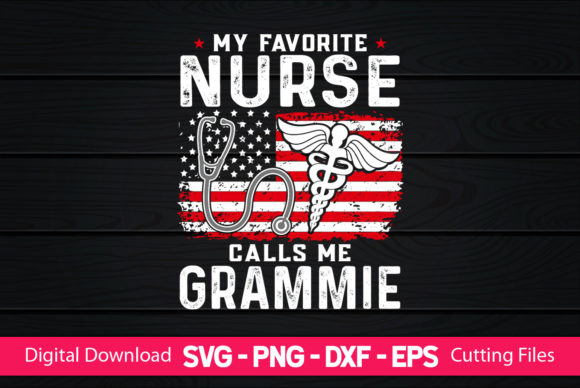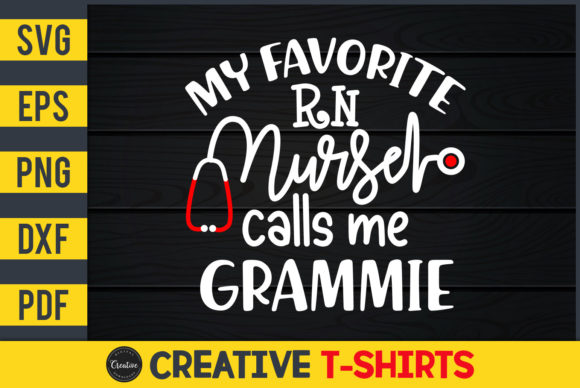
Reviewing My Favorite ICU Nurse Calls Me Grammie
As a designer who has spent countless hours staring at digitized paths and testing thread tensions, I approach every new machine embroidery design with a mix of curiosity and skepticism. We have all been there: you download a file that looks perfect on the screen, only to find it turns into a puckered mess or an illegible blob once it hits the fabric. Recently, I had the opportunity to evaluate My Favorite ICU Nurse Calls Me Grammie, a digital asset that sits at the intersection of healthcare appreciation and family pride. This is not just another cute phrase; it is a specific niche product that requires careful handling to ensure it lands correctly with the end user.
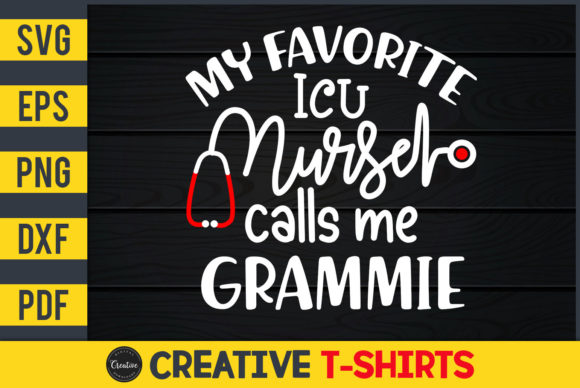
The first impression of this design is warm and personal. The layout suggests a balance between professional respect for the nursing profession and the intimate bond of a grandchild. Visually, the typography needs to be clear enough to read from a distance but stylized enough to feel special. When I loaded the file into my software, I looked immediately at the node structure. For a phrase like this, clarity is king. If the letters are too thin, they will break under the stress of washing. If they are too dense, the fabric will warp. This design appears to prioritize legibility, which is crucial for a personalized gift meant to be worn or displayed proudly.
Real-World Application and Project Fit
To truly understand the value of My Favorite ICU Nurse Calls Me Grammie, I imagined a real-life scenario. Picture a small business owner preparing for the holiday rush. They have a client who wants a custom sweatshirt embroidery piece for her granddaughter, who is an ICU nurse. The grandmother wants something that acknowledges the hard work her granddaughter does while highlighting their unique relationship. This design fits that brief perfectly. It is not generic; it is specific to the high-stress environment of intensive care, which adds emotional weight to the finished product.
Beyond apparel, this graphic works well on home goods. Imagine it stitched onto a heavy cotton tote bag design used for carrying shift essentials, or perhaps on a durable apron for a nurse who loves to cook after long shifts. The sentiment translates well across different mediums because it celebrates identity. For Etsy sellers and craft business owners, this type of niche-specific design often performs better than broad, generic quotes because it targets a very dedicated community. Healthcare workers and their families are passionate about their roles, and merchandise that reflects that specificity tends to generate higher engagement and trust.
Technical Considerations for Stitching
From a technical standpoint, using this digital embroidery file requires attention to detail. Since the text likely involves both larger block letters and potentially smaller script elements, the stitch density must be balanced. I recommend running a test stitch on scrap fabric before committing to the final garment. This is especially important if you are working with textured fabrics like fleece or terry cloth, where small details can get lost in the pile.
If you are applying this to a custom apparel item like a cap or a curved surface, be mindful of the hoop size and stabilization. A sturdy cut-away stabilizer is essential to prevent distortion, particularly if the design covers a significant area. For lighter fabrics, such as a baby onesie or a thin t-shirt, you might need to adjust the pull compensation or use a tear-away stabilizer with a topping to keep the stitches from sinking into the knit. Always check the thread colors against your fabric choice. High contrast is usually best for readability, but soft pastels can create a more delicate look for baby embroidery projects.
Navigating Fabric and Format Challenges
One must consider where this design should be used carefully. Tiny lettering can be problematic on stretchy fabrics or dark materials if the thread color does not pop. If you are creating an embroidered patch to be ironed on later, ensure the edges are clean and the satin stitches are tight to prevent fraying. For items that will undergo frequent washing, such as kitchen towels or daily-wear scrubs, verify that the stitch types—whether satin stitch, fill stitch, or running stitch—are secure. Loose threads or poor underlay can lead to premature wear, which reflects poorly on your brand as a maker.
The product description indicates that you receive SVG, PNG, PDF, DXF, and EPS files. It is important to note that these are primarily vector and image formats suitable for cutting machines and print templates. If you are planning to use this for machine embroidery, you must ensure you have the correct embroidery file format compatible with your machine, such as PES, DST, or JEF. The listing mentions "SVG Design print-ready file," so double-check if an actual embroidery digitized file is included or if you need to convert the vector graphics yourself. This distinction is vital for commercial embroidery projects where time is money. Never assume a vector file is ready to stitch without proper digitizing.
Enhancing Brand Value and Customer Trust
Incorporating My Favorite ICU Nurse Calls Me Grammie into your product line can enhance your brand’s perceived value. It shows that you understand your customers’ lives and relationships. When a buyer sees a well-executed, thoughtful design, they are more likely to trust your handmade product quality. This trust translates into repeat business and positive reviews. For small shop product listings, use high-quality photos that show the texture of the stitches. Close-up shots help buyers appreciate the craftsmanship and confirm that the text is crisp and professional.
Furthermore, this design serves as excellent design assets for creating printable mockups. Even if you are selling physical items, having digital previews that look realistic can boost conversion rates. Ensure that your mockups reflect the true scale and proportion of the embroidery. Misleading images can lead to returns and dissatisfaction. By being transparent and precise in your presentation, you build a reputation for reliability.
Final Designer Notes
Before launching any project with this design, take a moment to review the licensing terms. Confirm whether the file allows for commercial use if you plan to sell finished items. Many designers offer different licenses for personal versus commercial applications. Additionally, test the design on both light and dark fabric backgrounds to see how the visibility changes. Adjust your thread palette accordingly. If you are new to working with text-heavy designs, start with a simple cotton tote or a pillow cover to master the tension and alignment before moving to more complex garments like fitted caps or layered jackets.
Ultimately, My Favorite ICU Nurse Calls Me Grammie is a strong contender for anyone looking to create meaningful, niche-specific gifts. It combines emotional resonance with visual clarity, provided it is executed with technical precision. Whether you are an experienced embroidery project veteran or a hobbyist looking to make a special holiday embroidery gift, this design offers a solid foundation for creative expression. Just remember to respect the technical requirements of your machine and materials, and the result will be a professional, heartfelt piece that stands out in any collection.