Reviewing My Favorite ICU Nurse Calls Me Pop
As a designer who has spent countless hours digitizing and testing embroidery files, I have learned that the sentiment behind a design is only half the battle. The other half is technical execution. When I first pulled up My Favorite ICU Nurse Calls Me Pop, my initial reaction was one of warmth. It captures a specific, tender dynamic between a grandparent and a healthcare worker, which is a niche but deeply emotional market segment. However, sentiment does not stitch itself. I needed to know if this design would hold up under the needle, especially when applied to real-world items like sweatshirts, tote bags, or personalized gifts for hospital staff.
First Impressions and Visual Personality
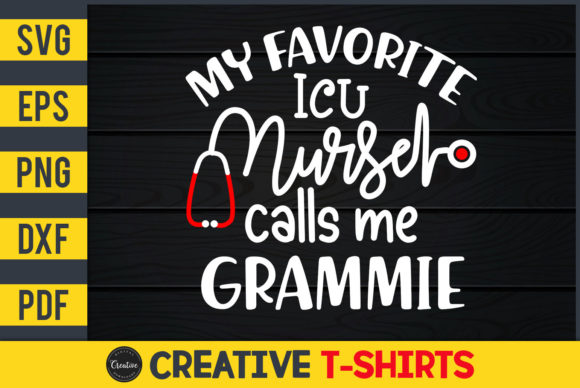
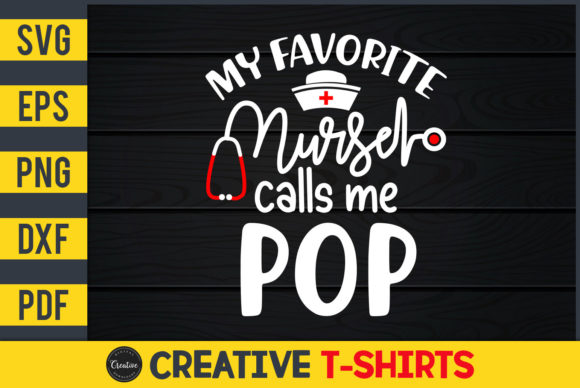
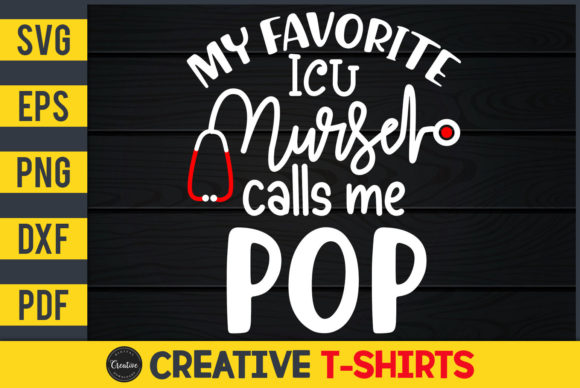
The layout of My Favorite ICU Nurse Calls Me Pop strikes a balance between playful and respectful. The typography appears clean, avoiding overly intricate serifs that often cause thread breaks or nesting issues in smaller hoop sizes. From a visual standpoint, the design feels approachable. It does not scream for attention with aggressive graphics; instead, it relies on the clarity of the message. For embroidery designers and Etsy sellers, this is crucial. A design that is too busy can look messy after stitching, while one that is too simple might lack perceived value. This file sits comfortably in the middle, offering enough visual weight to be noticeable without overwhelming the fabric.
When considering this as part of your Print Templates or Graphics library, note that the simplicity allows for versatility. It does not dictate a single color scheme, meaning you can adapt the thread colors to match specific hospital scrubs, brand colors, or personal preferences. This flexibility is a major asset for craft business owners who need to offer customization options without redigitizing the entire file.
Real-World Application: The Sweatshirt Test
To truly evaluate a machine embroidery design, you must imagine it on a finished product. I envisioned this design stitched onto a high-quality cotton blend sweatshirt, intended as a gift from a grandfather to his granddaughter working in intensive care. The curved surface of a chest area presents challenges for any embroidery project. If the design has large, solid areas of fill stitch, it can pull the fabric, causing puckering. Based on the preview of My Favorite ICU Nurse Calls Me Pop, the text-based nature suggests a lighter stitch count compared to heavy graphic icons, which is favorable for apparel.
For custom apparel, the placement is key. Centered on the left chest, this design acts as a subtle badge of honor. If scaled up for the back of a jacket, it becomes a statement piece. I also considered its use on a tote bag design. Canvas material is forgiving and provides a stable base for stitching. Here, the design would stand out sharply, especially if using contrasting thread against a natural or dark canvas. This makes it an excellent candidate for handmade product lines targeting healthcare workers who appreciate practical yet sentimental accessories.
Technical Considerations for Stitching
While the aesthetic is promising, technical diligence is required. Since the product description lists this as an SVG Design print-ready file for Cricut and other cutting machines, it is vital to clarify the source format. Many digital files marketed for crafters are vector-based cut files rather than native embroidery file formats like PES or DST. If you are using this primarily for heat transfer vinyl (HTV) or sublimation, the SVG and PNG formats are ideal. However, if you intend to create a true embroidered patch or direct-to-garment embroidery, you must ensure you have the correct digitized version.
Assuming you are working with a properly digitized version for embroidery, pay close attention to stitch density. Text designs often use satin stitch for letters. If the letters are too wide, satin stitches can become loose and snag. If they are too narrow, the thread may break. I recommend running a test stitch on scrap fabric similar to your final material. Check for any jumping threads or excessive trims. For baby embroidery or delicate fabrics, you might need to adjust the stabilizer. A cut-away stabilizer is generally safer for stretchy fabrics like t-shirts, while tear-away works well for stable woven materials like aprons or pillow covers.
Navigating Fabric and Hoop Constraints
One common pitfall with text-heavy designs is legibility at small sizes. If you plan to use My Favorite ICU Nurse Calls Me Pop on a cap or a small embroidered patch, verify the minimum readable size. Tiny details in the lettering, such as the cross of a 't' or the curve of a 'p', can merge together if the hoop size is too small or the stitch resolution is low. Always inspect the design in your software’s simulation mode before hitting start.
Dark fabrics present another challenge. If stitching white or light-colored thread on navy blue scrubs or black hoodies, ensure your machine’s tension is calibrated correctly. Poor tension can cause the bobbin thread to show on top, ruining the crisp look of the text. Using a top-stitching needle can help achieve cleaner penetration through thicker layers, which is common in holiday embroidery projects like fleece blankets or heavy towels.
Commercial Viability and Brand Consistency
For small shop product creators, consistency is king. This design fits well within a broader collection of healthcare-themed appreciation items. It pairs nicely with other roles, such as doctors, teachers, or firefighters, allowing you to build a cohesive catalog. When creating printable mockup images for your online store, ensure the lighting highlights the texture of the stitches. Customers buying a personalized gift want to see the quality of the work. High-resolution photos of the actual stitched product build trust far better than digital renders alone.
Regarding licensing, always confirm the terms provided with the download. While many digital embroidery file sellers allow commercial use for physical finished goods, restrictions often apply to reselling the digital file itself. As an Etsy seller, protecting your intellectual property and respecting the creator’s license is essential for long-term success. Use this design to enhance your design assets library, but ensure you are compliant with the specific usage rights granted for My Favorite ICU Nurse Calls Me Pop.
Final Verdict for Makers
In conclusion, My Favorite ICU Nurse Calls Me Pop offers a heartfelt message with a clean, executable design structure. It is well-suited for commercial embroidery projects where emotional connection drives sales. Whether you are creating a sweatshirt embroidery piece for a family member or stocking your boutique with tote bag designs for nurses, this file provides a solid foundation. Just remember to test your tension, choose the right stabilizer, and verify the file format matches your machine’s needs. With careful preparation, this design can become a staple in your repertoire of meaningful, high-quality handmade items.