Reviewing My Favorite Nurse Calls Me Amma
As a designer who has spent countless hours hooping fabric and troubleshooting thread breaks, I approach every new machine embroidery design with a mix of curiosity and skepticism. We have all seen the trend of sentimental family titles on apparel, but the specific phrase My Favorite Nurse Calls Me Amma caught my attention for its warmth and specificity. It is not just a generic label; it tells a story about intergenerational care and professional pride. When evaluating this file for real-world application, I look beyond the cute font to assess how it translates from a digital vector into a tangible, stitched reality.
First Impressions and Visual Personality
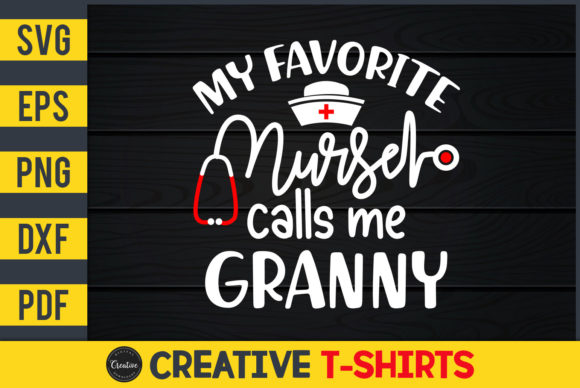
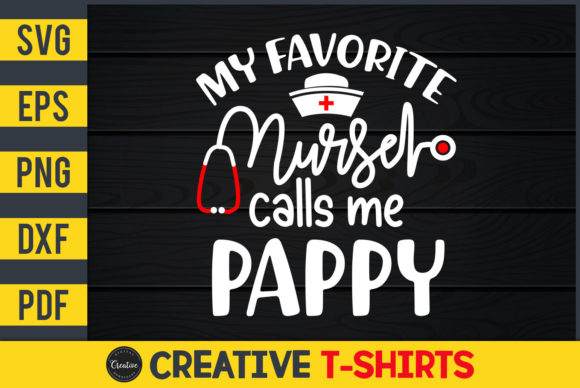
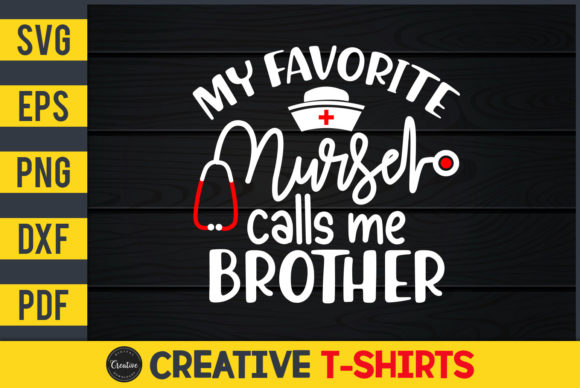
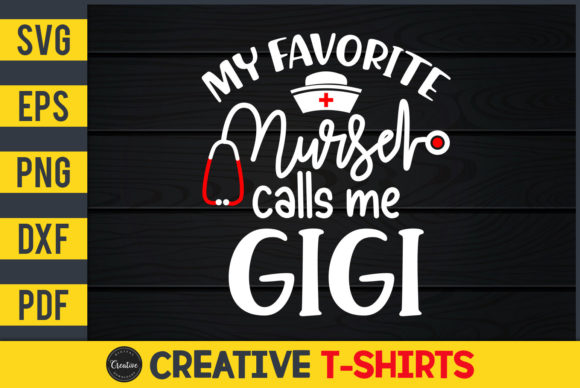
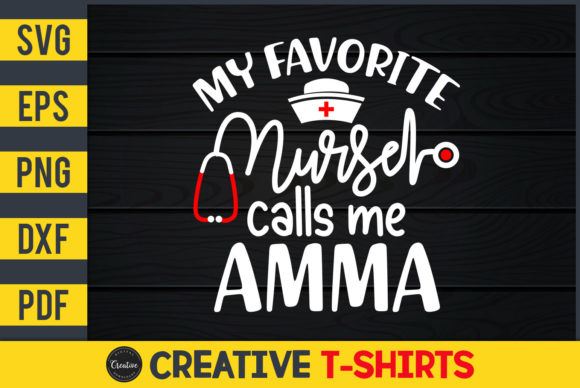
The initial view of My Favorite Nurse Calls Me Amma suggests a playful yet respectful tone. The layout typically balances a whimsical script for "Amma" with a cleaner, readable font for the rest of the sentence, creating a visual hierarchy that guides the eye. For an embroidery project, this contrast is crucial. If the entire phrase were in a complex script, legibility would suffer, especially at smaller sizes. The design feels approachable, making it ideal for personalized gifts that celebrate the bond between a grandmother and her nurse granddaughter or daughter.
From a technical standpoint, the spacing between letters appears generous enough to allow for proper stitch formation without excessive pulling. However, as with any digital asset listed under Freebies or Graphics categories, the devil is in the details. The mood is celebratory, fitting perfectly into the niche of healthcare appreciation and family heritage. It does not scream for attention with overly complex borders, which keeps the focus on the sentiment itself.
Real-World Application: The Tote Bag Test
To truly understand the value of this design, I imagined applying it to a heavy-duty canvas tote bag, a popular item for craft fairs and boutique shops. Canvas provides a stable base, but its texture can swallow fine details. In this scenario, My Favorite Nurse Calls Me Amma needs sufficient stitch density to stand out against the weave. I would likely opt for a satin stitch border around the text or a slight fill stitch background if the design allows, ensuring the words do not get lost in the fabric grain.
This design also shines on custom apparel. Picture a soft, heather-grey sweatshirt. The casual nature of the phrase pairs well with the relaxed fit of a crewneck. Here, the embroidery adds a tactile premium feel that printed vinyl cannot match. For an Etsy seller, offering this as a made-to-order item could drive engagement, as buyers love seeing their specific family titles brought to life. The key is ensuring the hoop size accommodates the full width of the phrase without distorting the garment’s seams.
Navigating Fabric and Hoop Constraints
While the design is charming, it requires careful handling on certain materials. On stretchy fabrics like jersey knits used for t-shirts, a robust stabilizer is non-negotiable. Without it, the tension from the stitching could cause the fabric to pucker, ruining the clean lines of the text. Similarly, if you are attempting this on a curved surface like a cap, you must verify that the design fits within the usable area of your cap frame. Tiny lettering on a curved brim can become illegible if the stitch count is too high or the font weight is too thin.
Dark fabrics present another challenge. If you are stitching white or light-colored thread on navy or black fabric, you must ensure the design does not rely on subtle shading or intricate running stitches that might disappear. High contrast is your friend here. I always recommend testing the design on scrap fabric first, specifically using the same thread colors and stabilizer combination you plan to use for the finished product. This step saves time and prevents costly mistakes on expensive blanks.
Commercial Viability and Brand Consistency
For small business owners and creative entrepreneurs, the commercial potential of My Favorite Nurse Calls Me Amma lies in its emotional resonance. It is not just a graphic; it is a conversation starter. When used in a boutique setting, it enhances brand consistency by offering products that feel personal and thoughtful. However, before listing items for sale, you must confirm the licensing terms. Since this is often distributed as a digital file for cutting machines, check whether the license permits commercial use of the finished embroidered items. Some freebies are for personal use only, while others allow small-scale commercial sales.
The design’s versatility allows it to fit into various product lines, from baby onesies celebrating a new grandchild to aprons for a nurse who loves to cook. Each application requires a different approach to scale. A baby item demands smaller, finer stitches to maintain comfort, while an apron can handle bolder, denser stitching that withstands frequent washing. Understanding these nuances separates amateur hobbyists from professional embroidery designers.
Technical Notes for the Serious Crafter
Before committing to a final run, consider these practical steps:
- Check Stitch Density: Ensure the design is not too dense for lightweight fabrics, which can lead to stiffness or tearing.
- Test Thread Contrast: Verify that your chosen thread colors pop against the fabric background, especially for readability.
- Inspect Small Details: Zoom in on the digital file to check for stray nodes or overlapping paths that could cause machine errors.
- Confirm File Compatibility: The description mentions SVG, PNG, PDF, DXF, and EPS formats, which are primarily for cutting machines like Cricut and Silhouette. If you are using an embroidery machine, ensure you have the correct embroidery file format (such as PES, DST, or JEF) or use reliable software to convert the vector data accurately.
- Use Proper Stabilizer: Match the stabilizer type to the fabric weight and stretchiness to prevent distortion.
In conclusion, My Favorite Nurse Calls Me Amma is a heartfelt design that, when executed with technical precision, can elevate a simple piece of fabric into a cherished keepsake. It requires respect for the medium—understanding how thread interacts with fabric, how scale affects legibility, and how licensing impacts your business. By approaching this design with a critical eye and a steady hand, you can create products that resonate deeply with customers and stand up to the rigors of daily wear.